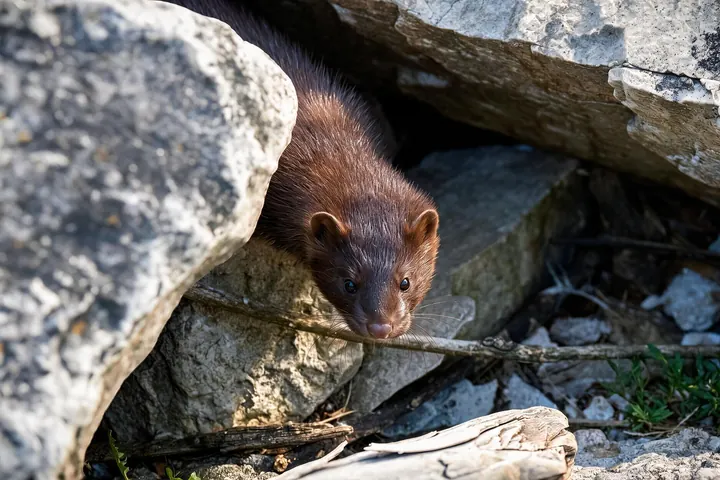
Invasive & Non-Native Species
Detect mammal and insect presence across a wider area, including species that are active outside conventional sampling windows.
Explore INNS
Air monitoring
Biological signals are not confined to water. CY45 captures airborne molecular material moving through the landscape, providing samples that can feed directly into existing molecular workflows.
What air sampling is for
A water sample reflects what is present in that water at the point of collection. An air sample can capture molecular material moving through the surrounding environment, bringing signals from beyond the immediate sampling point.
That makes it useful for a different kind of question: not only what is here, but what is around. Plant, fungal, pathogen and mammal signals can all be carried through the air.
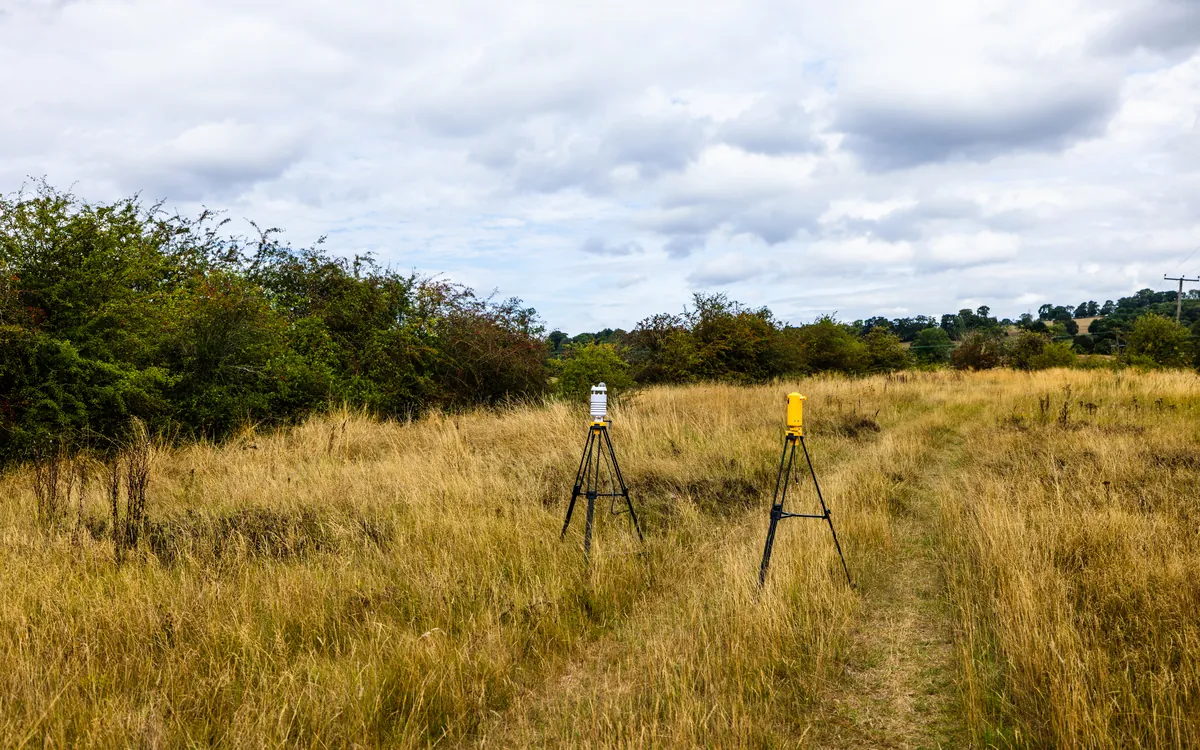
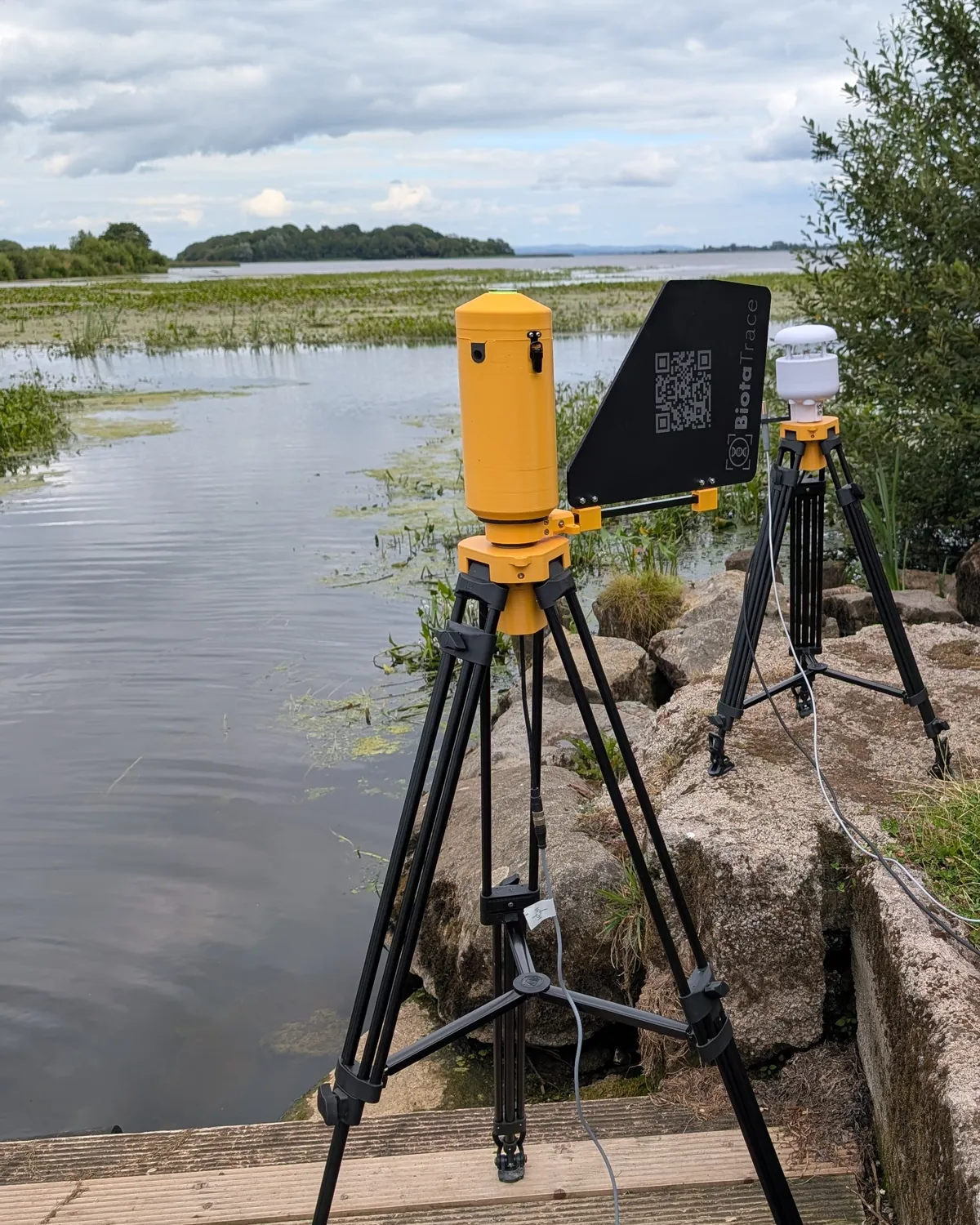
A cyclone-based sampler that concentrates airborne biological material directly into a tube-based format, avoiding collection onto a substrate that then requires an additional recovery step.
The design is focused on what happens next. By minimising handling between recovery and analysis, CY45 produces samples that can fit more easily into established molecular workflows.
Why timing matters
What CY45 captures depends not only on what is present in the surrounding environment, but on when sampling takes place and the conditions during that period.
Activity patterns can influence when biological material is most likely to be airborne. Sampling can therefore be aligned with periods when the target organism is more likely to be detectable.
Rainfall, wind and other meteorological conditions can change what is moving through the air. Connected sensors provide that context alongside the molecular sample.
Sampling periods can also be informed by forecasts, alerts or other external data, allowing deployments to respond to conditions beyond the immediate sampling site.
See it working
A short film on cyclone-based air sampling — how the sample is captured, how deployment is monitored, and how the recovered tube enters the analytical workflow.
Not sure air is the right medium?
Some questions are better answered in water, some in air, and some need both.
Where air sampling is applied
Detect mammal and insect presence across a wider area, including species that are active outside conventional sampling windows.
Explore INNS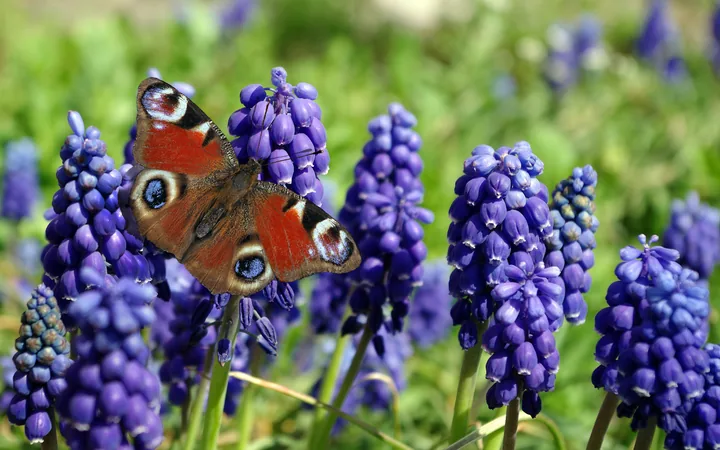
Capture airborne plant, fungal and mammal signals to complement ground-based or water-based biodiversity monitoring.
Explore solutions
Monitor airborne biological threats around a site or across a wider area, using scheduled or condition-responsive sampling.
Explore solutions